- Home
- Workshop Tactics
- Stakeholder Map
Stakeholder Map
Table of contents
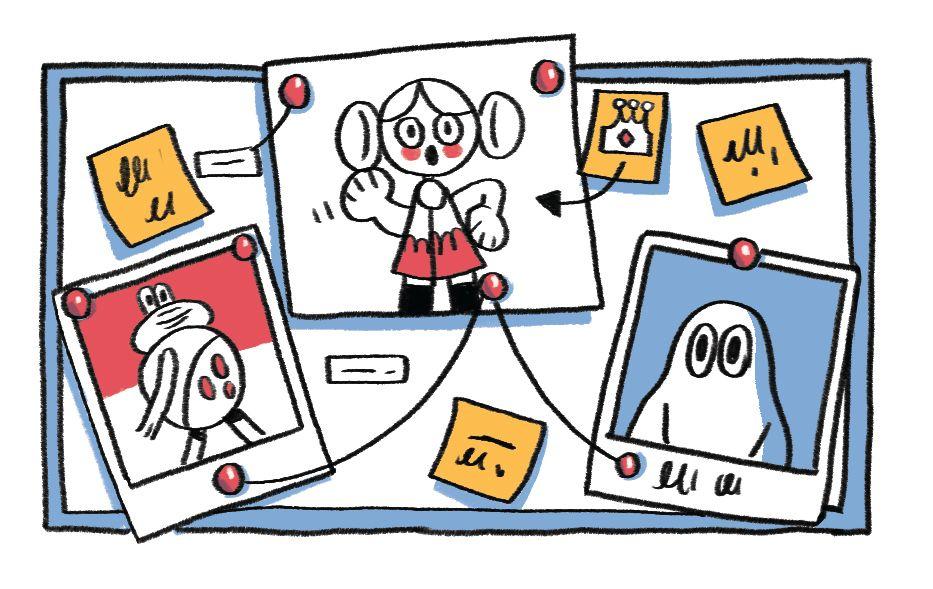
What is Stakeholder Map?
Stakeholder Map is a card from the Workshop Tactics deck by Pip Decks.
Decide who has what level of input and interest in a project to align decisions appropriately. A stakeholder map helps you develop an effective strategy to communicate with the relevant people and manage their expectations.
Use Priority Map to help with this tactic. Consider using Democratic Discussion to help facilitate Step 4 of this tactic.
When to use Stakeholder Map
- Launching a new product or service
- Experiencing stakeholder resistance or conflict
- Planning a strategic pivot or major change
- Preparing for a high-stakes presentation or pitch
- Assessing project feasibility and risk
How to use Stakeholder Map
-
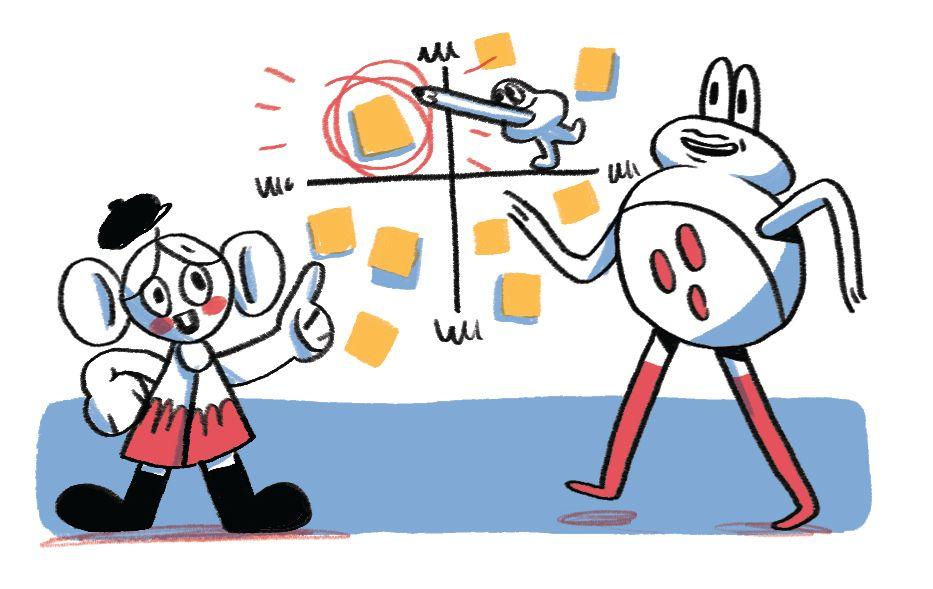
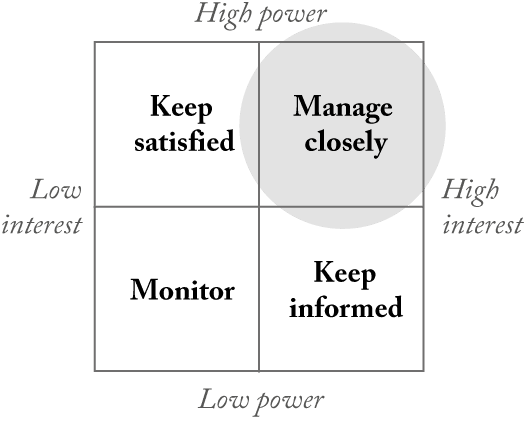
Create a Priority Map with Power and Interest on the axes as follows:
-
Power: a stakeholder’s level of influence in the system, how much they can direct or coerce a project and other stakeholders.
Interest: the degree to which a stakeholder will be affected by the project.
-
Create a list of stakeholder groups by answering these questions:
- Who will be impacted by the project?
- Who will be responsible or accountable for the project?
- Who will have decision authority on the project?
- Who can support or obstruct the project?
- Who has been involved in a project like this before?
-
Together, map each stakeholder onto the grid, based on their relative power and interest.
-
Discuss specific strategies for each stakeholder:
- Who needs to be informed of what, and when?
- Who needs to be consulted about what, and when?
- Who is responsible for engaging each stakeholder?