- Home
- Idea Tactics
- Draw Your Job
Draw Your Job
Table of contents
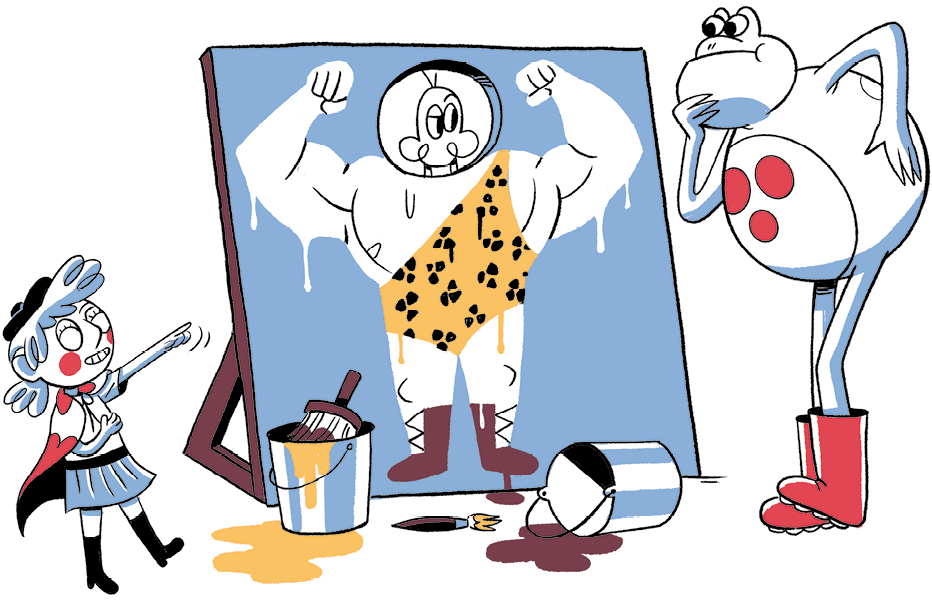
What is Draw Your Job?
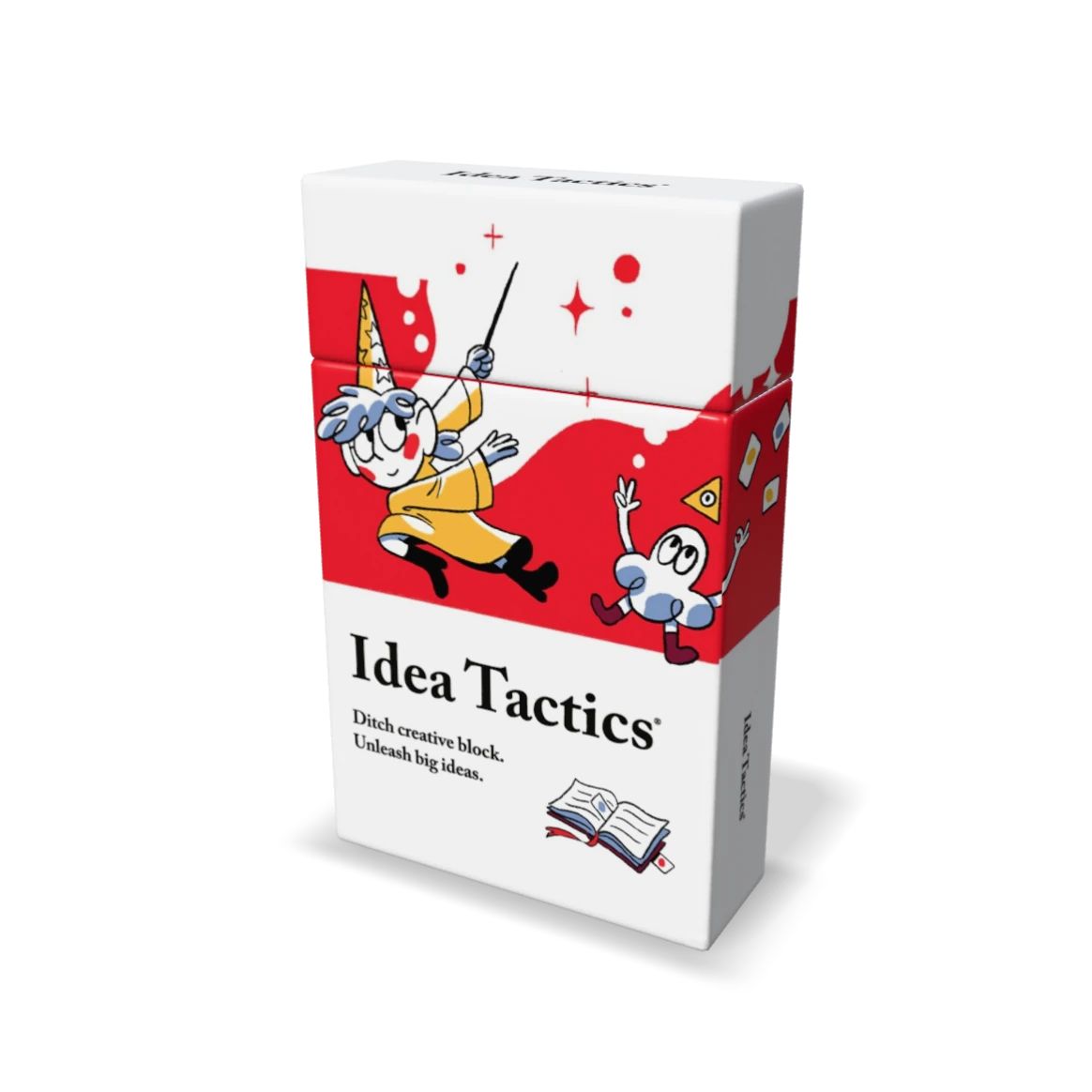
Draw Your Job is a card from the Idea Tactics deck by Pip Decks.
Build the understanding and trust essential for creative collaboration. This exercise gives people a chance to practise sketching, helps them empathise with each other and encourages reflection on their role and why they’re involved in this process.
Use this exercise as a creative warm-up or instead of a more conventional round of introductions. It’s especially valuable for people that don’t normally work together.
When to use Draw Your Job
- Team experiencing communication breakdowns
- New team members joining a project
- Stagnation in brainstorming sessions
- Need for team-building exercises
- Desire to understand team dynamics better
- Preparation for a major project or pivot
- Recognizing unutilized skills within the team
How to use Draw Your Job
- Make sure everyone has a pen and paper, then give them 3 minutes to each draw a picture that encapsulates how they see their job.
- Get everyone to display their pictures so the rest of the group can see them, then give each person 1 minute to explain what they’ve drawn.
Things to bear in mind:
Pay attention to the details people choose to emphasise. It might all be rosy, but maybe they’ve highlighted skills they don’t get to use as much as they’d like? Do any elements of their role seem to stress them out?
You’re not here to fix those things, but it might be the first time they’ve been recognised or vocalised, so take care as the facilitator to acknowledge what you hear with an attitude of warmth and acceptance. This will help people feel at ease, and set the right tone for the rest of the workshop. As a follow-up, consider asking the group if they learned anything new about each other (or, indeed, about themselves).
It’s often said that the best workshops feel like therapy, and this activity is no exception. On the other hand, you could have a very literal-minded group whose pictures reveal nothing much about their unspoken ambitions or inner conflicts, and that’s perfectly fine too.