- Home
- Team Tactics
- Research Questions
Research Questions
Table of contents
What is Research Questions?
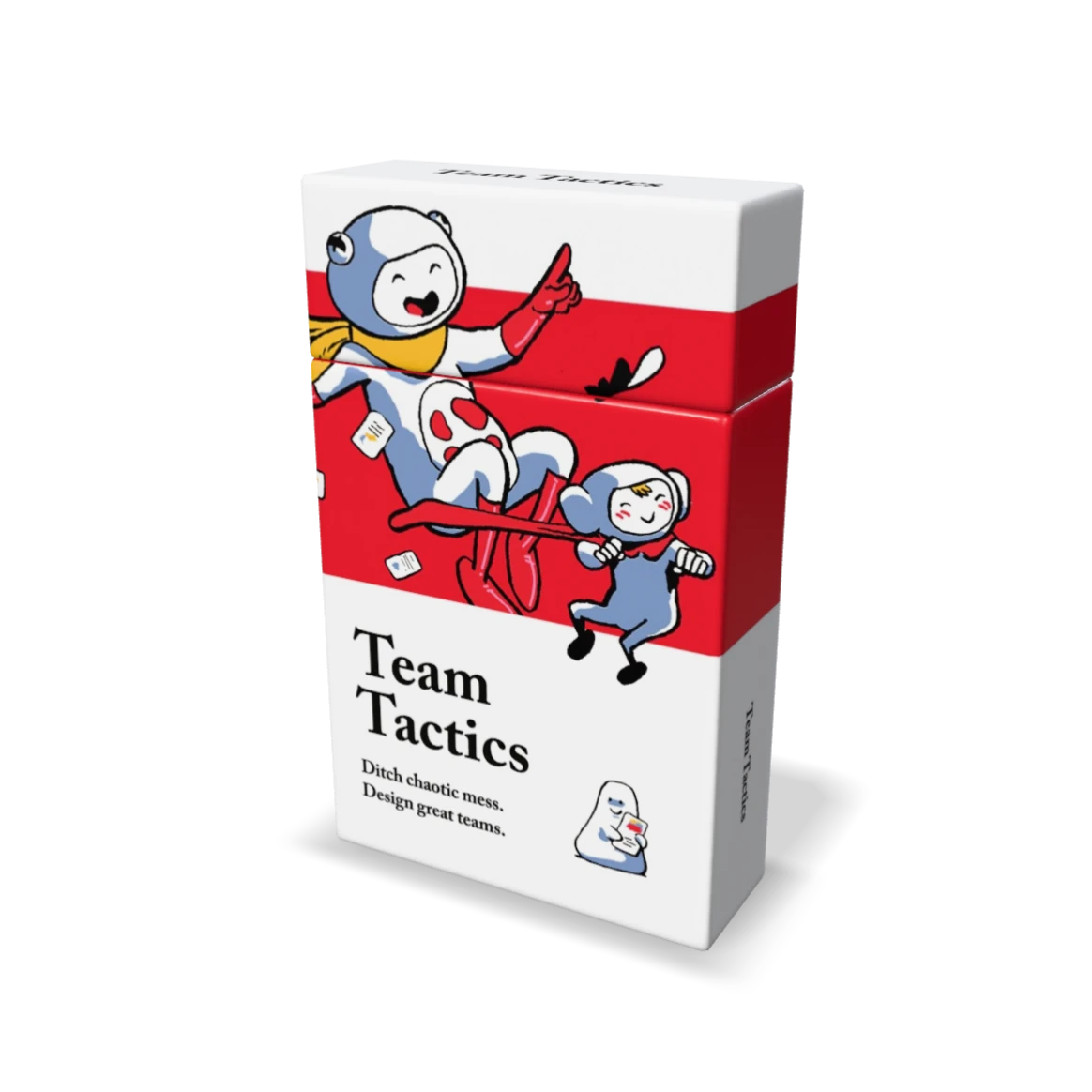
Research Questions is a card from the Team Tactics deck by Pip Decks.
When you have an idea, it’s natural to want people to like it. This can lead us to try and get people to say what we want to hear, rather than the truth. Asking good questions helps us reach the real answers, where we get people talking about the right things. The most effective tool for solving the problem is to listen.
“Research is formalised curiosity. It is poking and prying with a purpose.”, Zora Neale Hurston
When to use Research Questions
- Facing communication breakdowns within a team
- Experiencing misalignment between team actions and business goals
- Struggling to understand customer needs or feedback
- Encountering resistance to change or new initiatives
- Noticing a lack of motivation or engagement in team members
How to use Research Questions
-
Focus on what people do (not what they say they’ll do)
People often falsely speculate about the future. Understand future behaviours by looking back at past behaviours.
-
Be specific
Drill down into motivations and behaviours; ask why.
-
Don’t lead, don’t close
Try not to ask leading or closed questions. For example:
Leading: “You don’t use our design system, do you?”
Closed: “Have you used our design system within the last week?”
Open: “Can you tell me about a time when you used our design system?” -
Listen, observe, reframe and... pause
Reframe what an interviewee has just said: “So, it sounds like you’re saying that...”, “What I’m hearing is that...”
-
Don’t solve the problem
Gather evidence about the problem to help you solve it (later).
-
It’s not about you
Play the novice, ask the naive questions, allow your interviewee to share what they know and be the ‘expert’.
-
Dig in
Ask them to build on what they say: “Tell me more about that?”
-
Focus on what matters
“You clearly have a lot of experience in this area, but now I’d like to ask you about...”, “We’ve got a limited amount of time, so I’d like to make sure I cover some important areas in our discussion...”
Tip: listen back to your interviews using these prompts to see how you did.